
Plinko | Plinko Gameplay Guide at JiliPark
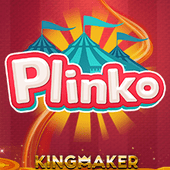
Plinko
Plinko is a cards game built around a simple drop, a field of pegs, and a landing position that determines the result. On JiliPark, start by learning the displayed rules and risk settings so you can decide whether its quick, chance-led rounds suit your preferences.
In brief, choose a stake and the available risk options, then follow the ball as it bounces toward a payout slot; every drop is uncertain, so no result is guaranteed. This page explains the format, how to interpret return information, and what to check before you continue.
Related card games to explore
5 Card Poker
Cards Hi Lo

Coin Pusher

Coin Toss
What happens during a Plinko round?
The short answer is that each Plinko round sends a ball through a pegboard and assigns a result according to its landing point. The exact board layout, payout values, and selectable risk levels can vary, so use the in-game information panel rather than assuming every version behaves identically.
A typical round begins when you set a stake and confirm any available options. The ball then travels down the board, deflecting as it meets pegs. At the bottom, the slot it reaches corresponds to the result shown for that game configuration. The apparent simplicity makes each turn easy to follow, but the path remains random rather than something a player can steer after release.
If you are comparing game styles, a Tripe card-game overview offers a different kind of decision-making context. Comparing formats can help clarify whether you prefer a quick outcome with minimal input or a game that asks you to assess choices as a round unfolds. The comparison does not predict results in either game.
- Before release: review the stake control, risk selection, and any paytable visible on the game screen.
- During the drop: treat the bounce animation as presentation, not a signal that reveals the final result.
- After landing: check the recorded result and decide whether to stop, take a break, or continue within your limit.
How to read Plinko RTP and risk
RTP is a theoretical long-run return measure, not a promise for an individual player or session. For Plinko, check the current information shown in the game before playing; no verified percentage is stated here, and a short sequence can differ widely from any theoretical average.
Risk settings can change the distribution of possible outcomes. A configuration with a wider spread may present more varied multipliers, while a less volatile option may concentrate results differently; neither framing makes a particular landing more likely for your next drop. Review the paytable and rules for the exact version available, and avoid interpreting past outcomes as a forecast.
Compare like with like
Use the same game mode and listed stake conditions when reviewing published RTP or payout information. If the details are not shown, do not infer a figure.
Set a personal boundary
Decide in advance how much time and money you are comfortable spending. Treat any stake as entertainment spending, never as income or a recovery plan.
A useful analysis separates three things: the theoretical return stated by the provider, the spread of possible outcomes, and the uncertainty of a small sample. Those ideas also matter when exploring a different style such as Gummy Giga Match; its mechanics and return information should be checked independently rather than carried over from Plinko.
The Plinko board: theme, pace, and feel
Plinko puts the board and the falling ball at the center of the experience. Its clear vertical layout makes the route easy to watch, while pegs create a lively sequence of small direction changes before the final slot appears. The game is visually direct: attention stays on the drop rather than on a long sequence of menus or decisions.
That compact rhythm can make rounds feel brisk. A player chooses the available setup, watches one outcome resolve, and then gets a clear point to pause. Animation adds anticipation, but it does not indicate that a particular lane is due or that a near miss makes a later result more favorable. Keeping that distinction in mind makes the presentation easier to enjoy without reading more into it than it shows.
When reviewing the experience, look at legibility on your device, whether the controls are easy to understand, and how the available risk choices are explained. If you are interested in another bright, feature-led title, the Sugar Rush 1000 game page is a separate option with its own rules and pace. Move between games only when it fits your plan, not to chase a result.
- Visual focus: a pegboard path and a landing area make the result easy to follow.
- Round cadence: each drop resolves quickly, giving you a natural moment to reassess.
- Player control: choices generally happen before the drop; the ball path itself is not a skill-based steering challenge.
Is Plinko a good fit for your next session?
Plinko may suit players who like short, easy-to-follow rounds and a visible chance-driven path. If you prefer extended strategy, detailed narrative, or decisions throughout a round, its minimal input may feel too simple. The best way to judge fit is to understand the displayed rules, consider your own preferences, and keep expectations realistic.
The term Plinko Demo can describe a practice or no-wager mode where one is offered, but availability and conditions are not guaranteed. Confirm the mode in the game lobby before relying on it. A demo can help you learn the controls and layout; it cannot establish a reliable prediction for paid play or guarantee a future payout.
Visitors comparing access options may also review the JiliPark app download information and the broader JiliPark games collection, but always verify current availability and terms through the platform itself. On mobile, make sure the board and controls fit your screen comfortably and avoid playing while distracted. Take a break if the experience stops being enjoyable.
Quick pre-play checklist
Read the rules, verify the selected setting, set a fixed session limit, and make sure you understand how to leave the game.
Keep the choice yours
Participation is optional. Do not borrow, increase a limit impulsively, or try to recover previous losses through additional rounds.